Artist Statement
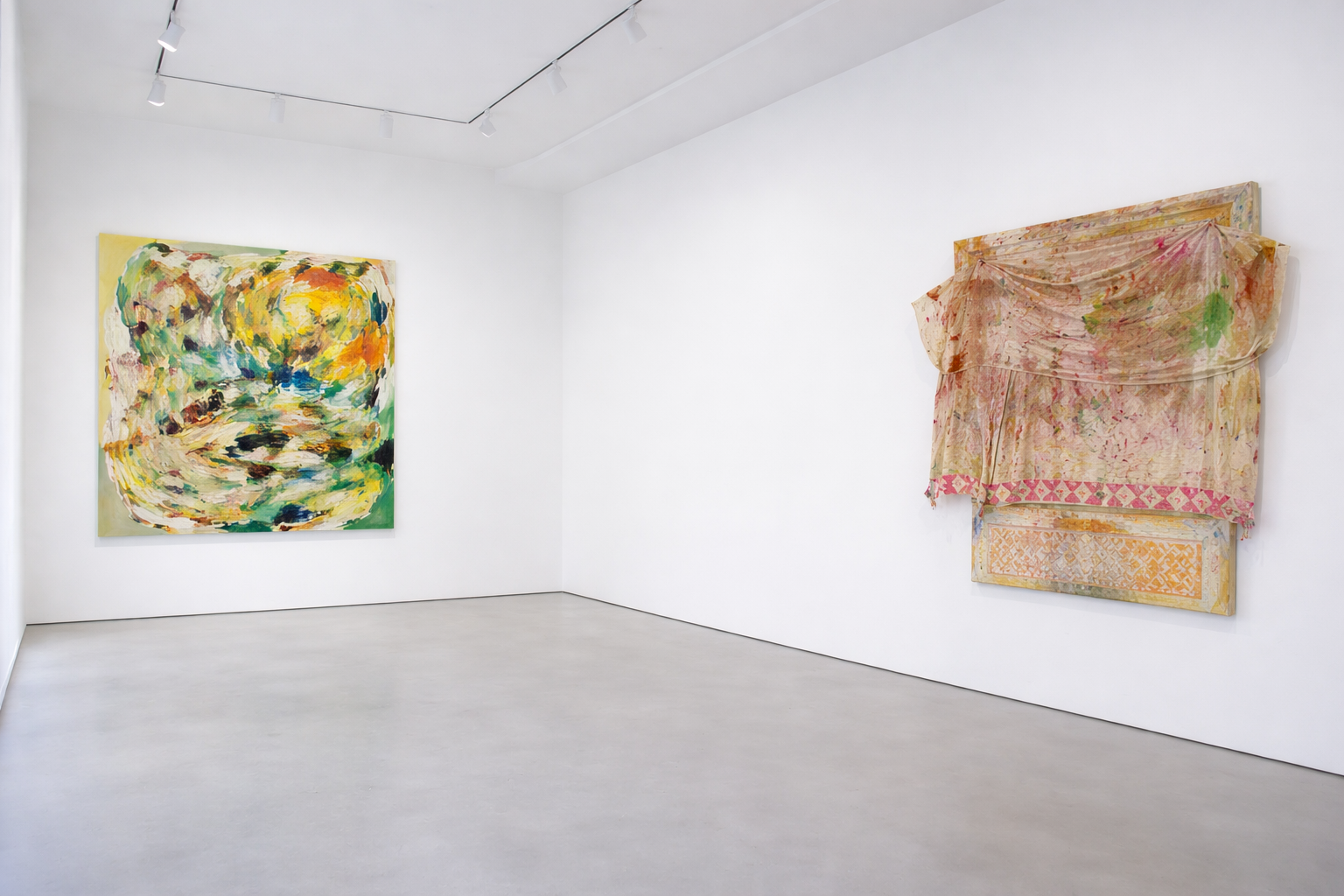
My practice explores the shifting boundary between surface and colour. I move
away from the notion of painting as a flat illusionistic space, instead working
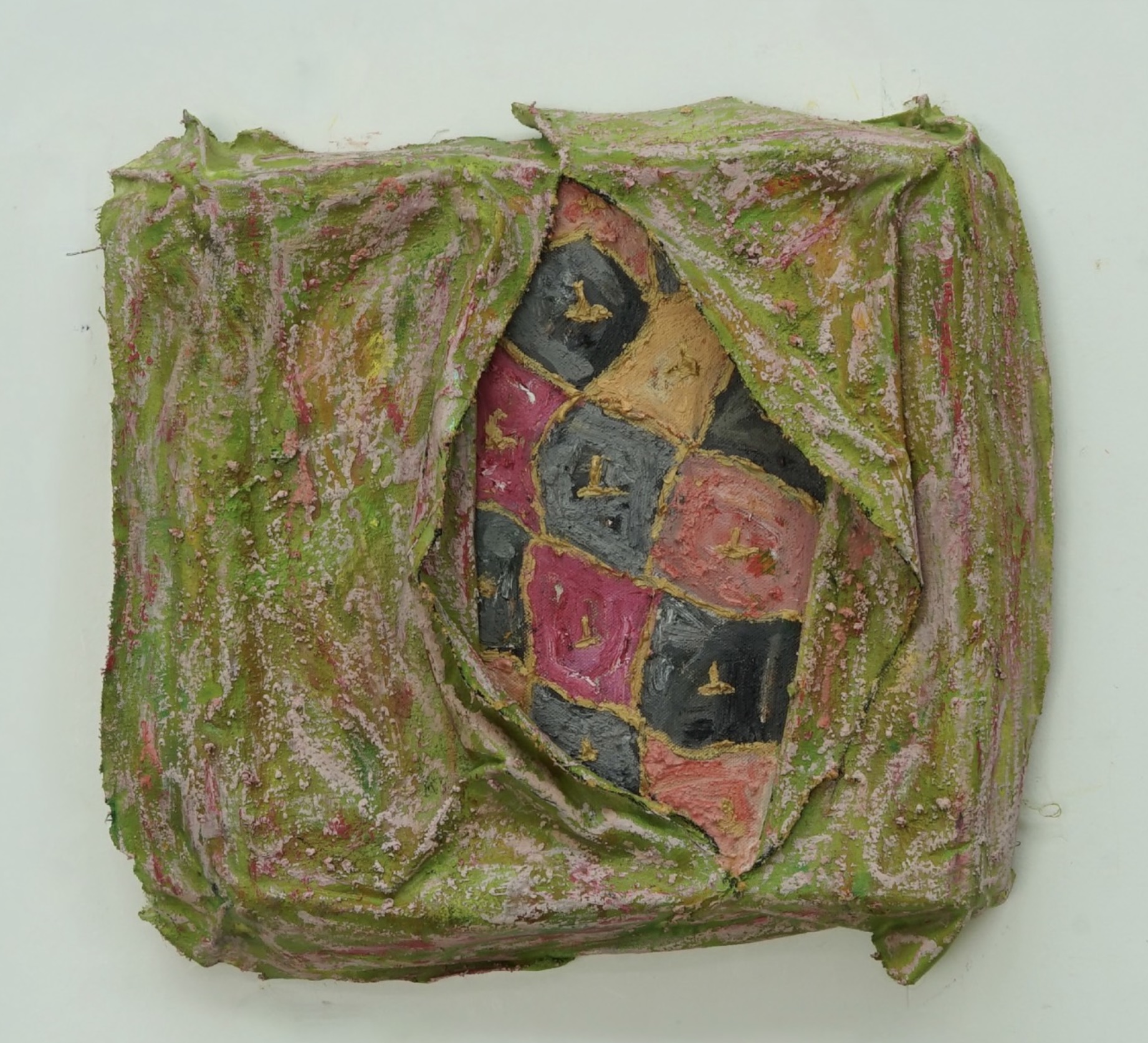
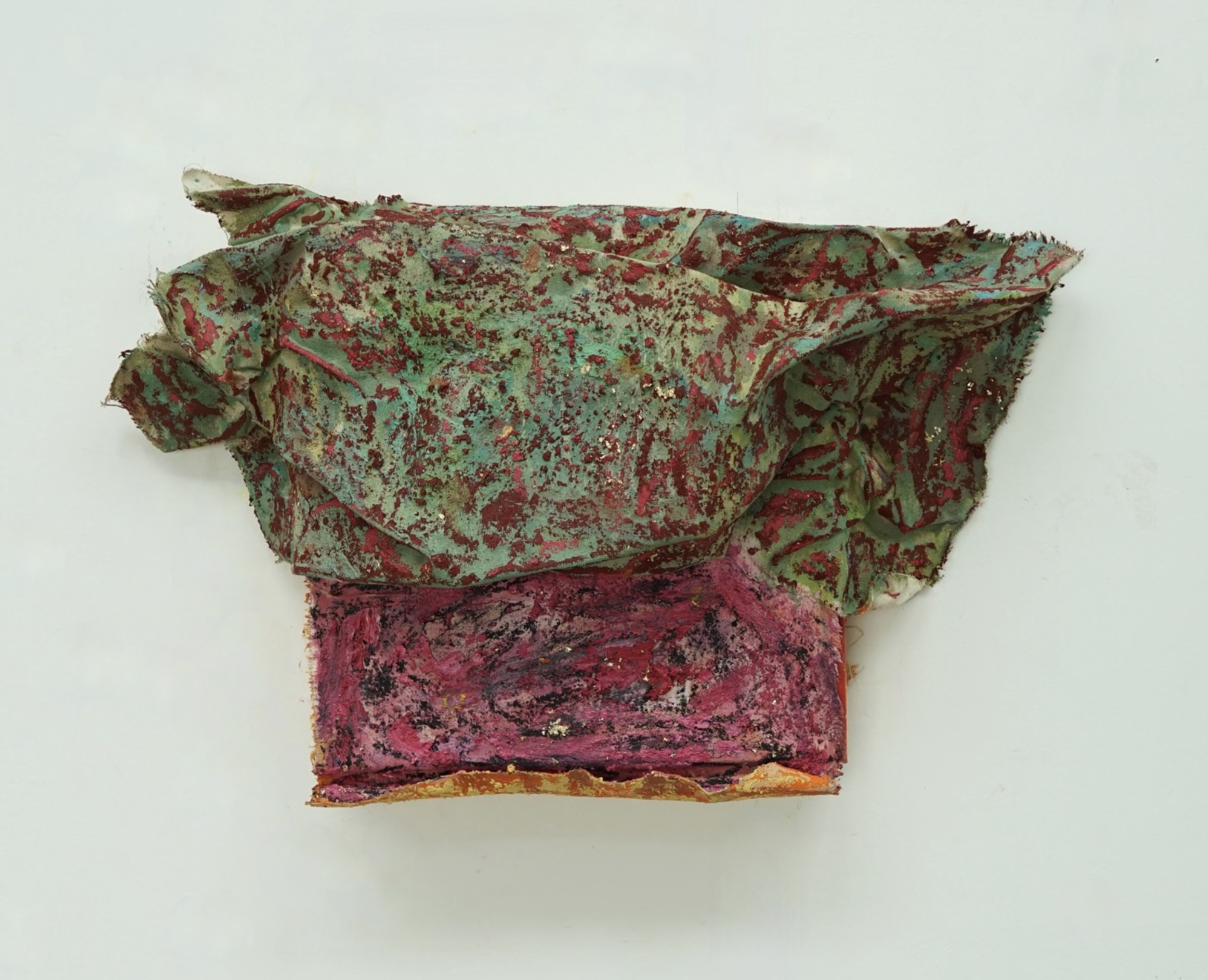
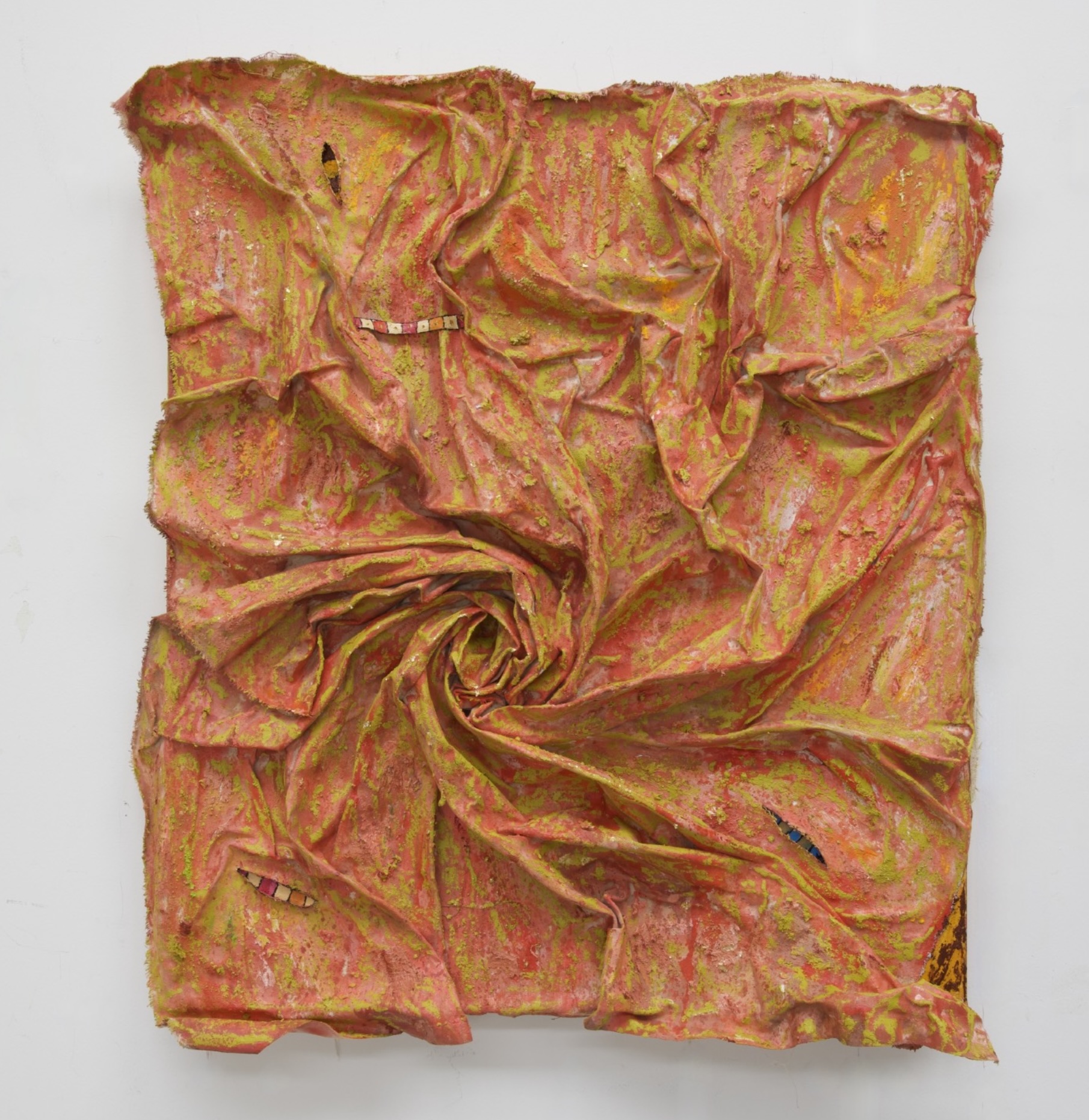
directly with the body of the canvas. Unstretching, tearing and folding are not acts
of destruction in my practice, but are deliberate gestures of reconstruction, where
the surface is reimagined as a site of tension and vulnerability. Light catches in
creases, pools in folds and glances off slashes, so that the work changes with each
step a viewer takes. Notably, paint behaves differently on a surface that has been
moulded and stressed, revealing qualities of the canvas that would otherwise
remain silent. Layers are built up and then torn back, until the skin and the
underlayer speak to one another, recalling Roland Barthes’s insistence on
stripping away illusion to reveal the quieter narratives beneath. In this way, the
painting unfolds not only in space but in time.
I work within the expanded field of painting, drawing on both historical precedent
and lived experience. The spatial disruptions of Fontana and the structural rigour
of Stella sit alongside colours and patterns rooted in my Bangladeshi heritage.
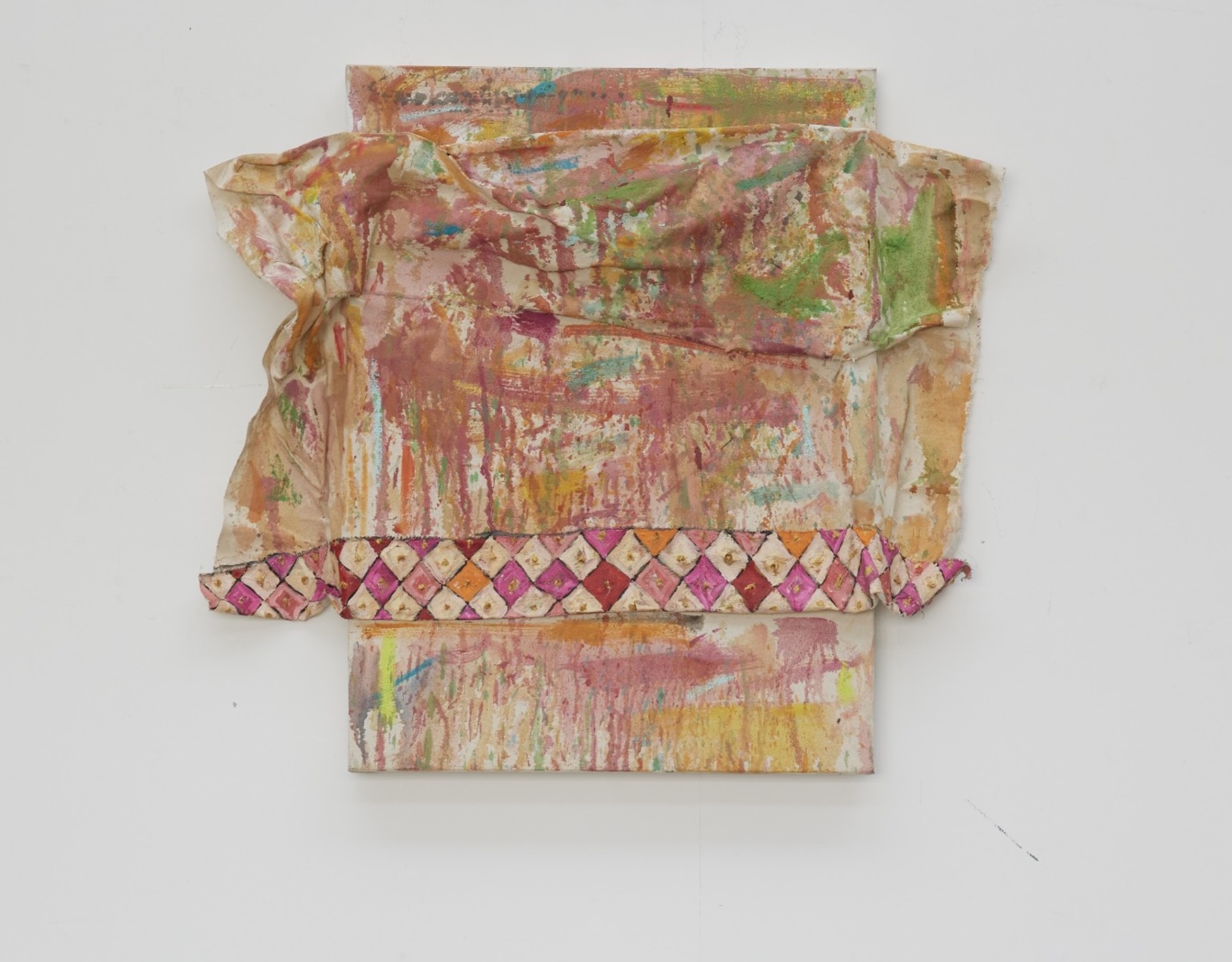
Harlequin motifs and fractured geometries form visual codes that shift from work
to work. My choice of colour is never arbitrary; it is tied to memory, cultural
resonance and the theatre of meaning. Equally, I am drawn to traces of the hand,
the cut, the mark and the overlooked corner, where each act as a record of action
and a fragment of time. The terraneous surface with its ridges, ruptures and
weight demands a physical encounter, placing the work between painting and
sculpture.
At its core, my practice is about rethinking what a painting can be. By questioning
the boundaries between surface and support and illusion and structure, I seek to
create works that are not only seen but encountered both materially and
conceptually. The physicality of the surface is not a backdrop for imagery but a
central element of meaning. Each piece invites the viewer into an active
engagement, where looking becomes a form of uncovering and the work itself
resists resolution, remaining open to shifting interpretations.

 English
 Dutch